How to Organize a Small Living Room (small living room storage ideas) | 2026 Guide
A compact living room has to handle relaxing, entertaining, storage, and sometimes even working without becoming crowded. With our guide on small living room storage ideas, finding the right multipurpose option is easier than ever, taking away your need do more of the organizing work.
Joshua Leist at Clever Home Finds
9/9/20266 min read
This article contains links that may earn me a commission if you make a purchase. As an Amazon Associate I earn from qualifying purchases.


A small living room becomes difficult to manage when every function requires another piece of furniture or another storage container. Good small living room storage ideas solve that problem by making each piece earn the floor space it occupies. Furniture with concealed compartments, expandable surfaces, movable components, and multiple uses can reduce the number of separate items competing for room. The goal is not to pack more furniture into the space, but to choose a layout where seating, storage, work surfaces, and everyday routines can overlap intelligently. These ten practical changes can help create a living room that stays flexible without sacrificing the belongings you actually use.

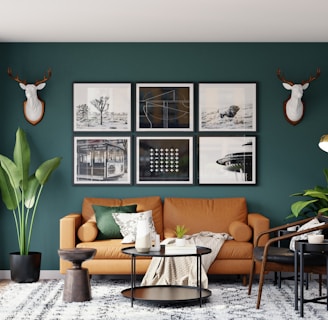
Start with Seating and Tables to Improve Everyday Storage
1. Replace an Ordinary Ottoman with Hidden Storage
Choose an ottoman that opens to hold blankets, games, books, or other living-room items while continuing to function as seating or a footrest. A storage ottoman can also replace another piece of furniture when its top is stable enough for your normal living-room routine.
Keep frequently used soft items inside so they remain easy to reach.
Avoid filling the compartment with unrelated categories that become difficult to sort.
Explore storage ottomans for small spaces if you want a piece designed around several functions.
2. Make the Coffee Table Work Harder
Swap a basic table for a design with drawers, shelves, concealed storage, or a lifting surface so the same footprint provides more utility. A lift-top coffee table with storage can create a temporary laptop or dining surface while keeping remotes, chargers, and small essentials off the tabletop.
Reserve hidden compartments for items normally used near the sofa.
Keep the top mostly clear so converting the table does not require a cleanup first.
Check the table's open position against surrounding furniture before committing to the layout.
3. Choose Flexible Extra Seating
Use stools, nesting seats, or lightweight ottomans that can serve as occasional seating without permanently occupying the center of the room. Pieces that tuck beneath another surface or move easily are particularly useful when the living room changes between quiet evenings and entertaining.
Store occasional seating along a wall or beneath a console when it is not needed.
Favor pieces that can also function as side tables or footrests.
Keep walking routes open instead of lining unused chairs around the room.
Small living rooms become frustrating when frequently used belongings have no convenient home. Blankets collect on sofas, laptops stay on tables, extra seating blocks walkways, and miscellaneous items gradually occupy every open surface. Multipurpose furniture reduces that friction because storage or another useful function is built into something the room already needs. This can create a cleaner layout without forcing you to dedicate additional floor space to standalone organizers.
Start by identifying what your living room actually needs to accomplish during a normal week. Separate essential functions such as seating, storage, entertainment, working, and hosting before deciding which pieces should remain. Look for opportunities where one furniture footprint could reasonably handle two or more of those functions without making either one inconvenient. Measuring the available floor area and the clearance needed to open drawers, lids, or expandable surfaces also prevents a space-saving purchase from becoming another obstacle.

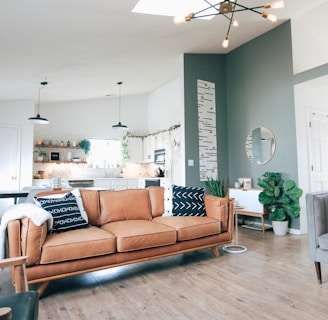
Move onto Flexible Work Surfaces and Vertical Storage
4. Use an Expandable Surface Instead of a Permanent Desk
If your living room doubles as a workspace, choose a folding, drop-leaf, or convertible surface instead of dedicating valuable floor space to a large desk. Closing the work surface after use helps the room return to its primary function and prevents office materials from permanently spreading into the living area.
Keep only daily work supplies near the temporary workstation.
Pair the setup with stackable or folding chairs when permanent desk seating is unnecessary.
Store cables and accessories together so setting up and packing away remains quick.
5. Build Storage Upward Around Existing Furniture
Use the wall area above low furniture for shelving or vertical organizers rather than adding another wide cabinet beside it. This approach works especially well when your floor plan is tight, and vertical storage solutions for small living rooms can provide additional ways to use height efficiently.
Place less frequently used belongings on higher shelves.
Keep everyday items within comfortable reach.
Leave some open space so vertical storage does not become another wall of clutter.
6. Use Modular Pieces That Can Change Roles
Choose modular shelves, cubes, or furniture components that can be rearranged when your storage needs or room layout changes. A modular storage cube system can function as book storage, media organization, display space, or a lightweight room divider depending on how the living room evolves.
Start with enough modules for your current belongings rather than filling every wall immediately.
Use bins or doors for categories that create visual clutter.
See how modular storage systems can maximize a small space before planning a larger configuration.


Finish by Controlling Clutter and Preserving Flexible Floor Space
7. Give Everyday Items a Hidden Home
Assign remotes, controllers, charging cables, throws, and other frequently used objects to concealed storage located near where you use them. Keeping these categories close to the sofa or entertainment area makes resetting the room easier than carrying everything to storage elsewhere.
Give each compartment one clear purpose.
Avoid turning hidden storage into a place for miscellaneous clutter.
Remove items that consistently migrate elsewhere because their assigned location is inconvenient.
8. Keep Furniture Easy to Move When Possible
Lightweight side tables, rolling carts, nesting tables, and movable ottomans let the room adapt when you need more open floor space. Flexible furniture is especially useful when the same living room handles exercise, guests, hobbies, or other activities at different times.
Keep movable pieces compact enough to relocate without emptying them.
Avoid placing heavy decorative objects on furniture you expect to move regularly.
Store mobile pieces against existing furniture instead of creating a separate parking area.
9. Protect Clear Walking Paths
Arrange multifunctional furniture so drawers, lids, and expandable surfaces can operate without blocking the main route through the room. Even useful storage furniture becomes counterproductive when accessing it requires moving several other objects first.
Test cabinet doors and storage lids in their fully open positions.
Keep the main path between entrances and seating unobstructed.
Reconsider oversized pieces if their extra functions rarely get used.
10. Reset Multipurpose Furniture After Each Use
Return convertible furniture to its normal position once you finish working, eating, entertaining, or accessing storage. This simple reset prevents small living room storage ideas from becoming complicated systems that technically save space but leave the room permanently half-converted.
Close lift-top surfaces and folding tables after use.
Return loose items to their assigned hidden compartments.
Spend a few minutes resetting the room before clutter begins spreading to other surfaces.
Final Thoughts and Tips
Multipurpose furniture works best when it removes the need for separate pieces rather than simply adding more features to an already crowded room. Focus on the functions your household genuinely uses and match each furniture choice to those routines. Hidden compartments are useful for reducing visible clutter, while convertible surfaces and movable pieces keep the floor plan adaptable. The strongest small living room storage ideas ultimately make the room easier to use instead of giving you more storage to manage.
Start with the area that creates the most daily frustration instead of replacing everything at once. If blankets and accessories dominate the sofa, begin with hidden storage seating before worrying about shelves or tables. If working from the living room creates the mess, solve the temporary workstation first and build outward from there. Improving one recurring problem at a time makes it easier to judge whether each new system is actually helping.
A small living room does not need to perform every possible function at the same moment. It needs furniture that can shift between functions while keeping everyday belongings organized and important walking space available. Continue removing pieces that duplicate another item's purpose, and keep storage close to the activities it supports. Once your furniture and routines work together, maintaining the room becomes considerably simpler.
If you are ready to make those changes, a few thoughtfully chosen multipurpose organizers can help turn the strategy into a practical setup. Start with the pieces that solve your biggest storage problem while replacing a function the room already needs.
Shop Recommended Living Room Organizers
If you're ready to put these ideas into action, the right tools can make a big difference. A few well‑chosen organizers can help maximize space and keep everything in its place long‑term. Take a look at some of our favorite choices from Amazon’s top options in living room organization.
Expertise
Joshua Leist writes about home organization with a practical, research-driven focus on solutions that improve how everyday spaces function. His perspective is shaped by firsthand exposure to well-designed homes, where thoughtful storage and layout choices make a measurable difference in daily living.
Alongside this, his past experience living in dorms and shared housing built a strong understanding of small-space challenges, where efficient organization is essential. With a background as a writing advisor, Joshua emphasizes clear structure, evidence-based comparisons, and transparent pros and cons. All recommendations are selected independently to help readers make confident, practical decisions for their homes.
Contact
© 2026. All rights reserved Clever Home Finds.
Weekly Home Finds
Clever Home Finds participates in the Amazon Services LCC Associates program.