Transforming Small Living Rooms: Vertical Storage Solutions for Maximum Space | 2026 Guide
Who says small living rooms has to feel cramped? With a few strategic vertical storage ideas, you can make every inch count and create a space that feels open, stylish and truly yours.
Joshua Leist at Clever Home Finds
5/26/20266 min read
This article contains links that may earn me a commission if you make a purchase. As an Amazon Associate I earn from qualifying purchases.


Living in a small space often means feeling like you’re drowning in clutter, but clever use of vertical storage turns that problem into an opportunity. When the floor plan is tight, the only place to go is up, and that can transform a room’s functionality and style. Elevating items off the floor frees up walking space and highlights wall space you never knew you had. You can learn more about 10 Vertical Living Mistakes Making Your Small Space Feel Cluttered if you think that is more applicable to your current situation. With vertical storage, even renters can improve their living environments without major renovations. This article will guide you through practical steps to make your living room, kitchen, and other areas feel spacious, organized and inviting.


Start with Living Room Walls to Improve Small Space Storage
1. Use Floating Shelves Above Seating
Floating shelves add storage without taking up floor space, which makes them especially useful above a sofa, accent chair, or media console. Keep the shelf arrangement simple so the wall looks styled instead of overloaded.
Use wall mounted floating shelves for books, framed art, candles, or small baskets.
Keep heavy items lower and lighter décor higher for a balanced look.
If you're simply looking for a fantastic, curated list of options, head over to our review of The 7 Best Vertical Shelves for Living Room.
2. Add a Tall Bookcase Instead of a Wide Unit
A tall bookcase gives you more vertical storage while keeping the footprint narrow. Choose one that reaches upward rather than spreading across the wall.
Anchor tall furniture securely so it stays stable in daily use.
Store baskets, books, games, and décor in separate zones.
Leave some open space on shelves so the room does not feel packed.
3. Try a Ladder Shelf in a Tight Corner
A ladder shelf works well when you need storage that feels lighter than a full cabinet. Place it in an empty corner and use it for items that are useful but still attractive enough to leave visible.
Use matching baskets to hide cords, remotes, or small living room clutter.
Place plants or décor on upper shelves to draw the eye upward.
Utilize a lightweight ladder shelf option that can be moved around as needed.
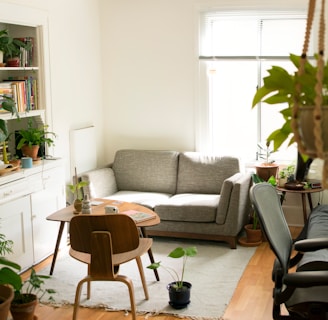
Vertical storage matters because small homes rarely have extra square footage waiting to be used. When items pile up on the floor or crowd flat surfaces, the space becomes harder to clean, harder to move through, and less relaxing to live in. Moving storage upward helps protect walking paths, reduce visual clutter, and make the room feel more intentional. It also gives everyday items a clear place without requiring a remodel or major furniture change.
The best way to start is by looking for empty wall space, unused corners, door backs, and areas above furniture. Focus first on the items that cause the most daily frustration, such as books, remotes, blankets, toys, shoes, bags, or small décor pieces. Choose one vertical solution that fits the problem instead of adding random storage that creates more clutter. Once that first area works well, repeat the same idea in another part of the home.

Move onto Doors, Corners, and Multi-Use Pieces
4. Use the Back of Doors for Extra Storage
The back of a door can hold more than most people expect, especially in apartments where closets are limited. An over the door storage organizer can work for accessories, cleaning items, pet supplies, or small daily essentials.
Use clear pockets when visibility matters.
Choose sturdy hooks that sit flat so the door still closes properly.
See our related guide on 10 Living Room Furniture Mistakes That Waste Valuable Space.
5. Choose Hidden Storage Furniture
Hidden storage furniture is useful because it keeps necessary items close without adding visible clutter. A foldable storage ottoman can hold blankets, games, workout gear, or extra pillows while still working as seating or a footrest.
Use storage benches or ottomans in living rooms, bedrooms, and entryways.
Keep only items you actually use in the hidden compartment.
Head over to our top review of The 7 Best Furniture Storages for a great list of furniture options that upgrade any space.
6. Stack Modular Cubes Vertically
A modular storage cube system is helpful because it can grow upward and adjust as your needs change. Use it to create a flexible storage wall for books, toys, office supplies, or hobby items.
Combine open cubes with bins to balance style and function.
Place the most used items at waist height for easy access.
Keep similar items grouped together so the system stays simple.


Finish by Expanding Vertical Storage into Everyday Zones
7. Add a Narrow Rolling Cart Where Space Is Awkward
A slim storage cart narrow spaces option can turn small gaps into useful storage. Use it beside a sofa, next to a desk, in a bathroom, or between appliances where a wider piece would not fit.
Choose a cart with wheels if you need flexible access.
Store categories together, such as craft supplies, snacks, office tools, or toiletries.
Keep the top tier clear enough that the cart does not become a clutter tray.
8. Use Wall Hooks for Bags, Coats, and Daily Items
Wall hooks help keep everyday items off chairs, floors, and entry tables. They work especially well near entryways, bedroom doors, laundry areas, and small living room drop zones.
Install hooks at a height that is easy for everyone in the home to use.
Limit each hook to one or two items to avoid a crowded look.
Add a small shelf above hooks for keys, sunglasses, or mail.
9. Use a Pegboard or Grid Wall for Flexible Storage
A pegboard or grid wall gives you adjustable vertical storage that can change over time. This works well for home offices, craft areas, kitchens, entryways, or small utility corners.
Use hooks, baskets, and small shelves to separate different supplies.
Keep frequently used items at eye level.
10. Carry Vertical Storage into the Bathroom and Kitchen
Vertical storage works beyond the living room, especially in bathrooms and kitchens where cabinets fill up quickly. Use wall shelves, rails, over the toilet storage rack options, or a multi-tier storage shelf small spaces setup to keep essentials accessible.
Store daily items within reach and backup items higher up.
Use item baskets or trays to prevent small items from scattering.
Keep counters as clear as possible so the space feels cleaner.
Final Thoughts and Tips
Vertical storage is one of the easiest ways to make a small living room feel more open without removing the things you actually use. It works because it shifts storage away from crowded floors and overfilled surfaces. The right mix of shelves, hooks, cubes, carts, and hidden storage furniture can make a room feel cleaner and more intentional. Instead of fighting the limits of a small floor plan, you start using the height of the room more effectively.
Start with one area that frustrates you every day and solve that first. That might be the wall above the sofa, the back of a door, a tight corner, or the clutter collecting near the entry. Once that section feels easier to maintain, move to the next area and repeat the same practical approach. Small, consistent changes are usually more useful than trying to redo the entire home at once.
The goal is not to fill every wall with storage, but to create enough structure that your home supports your routine. Leave breathing room between shelves, avoid overloading visible areas, and choose pieces that match how you actually live. Vertical storage should make your small space easier to use, not more complicated to manage. With the right pieces in place, even a compact home can feel more organized, comfortable, and ready for everyday life.
Shop Recommended Vertical Storage Organizers
If you're ready to put these ideas into action, the right tools can make a big difference. A few well‑chosen organizers can help maximize space and keep everything in its place long‑term. Take a look at some of our favorite choices from Amazon’s top options in vertical organization.
Expertise
Joshua Leist writes about home organization with a practical, research-driven focus on solutions that improve how everyday spaces function. His perspective is shaped by firsthand exposure to well-designed homes, where thoughtful storage and layout choices make a measurable difference in daily living.
Alongside this, his past experience living in dorms and shared housing built a strong understanding of small-space challenges, where efficient organization is essential. With a background as a writing advisor, Joshua emphasizes clear structure, evidence-based comparisons, and transparent pros and cons. All recommendations are selected independently to help readers make confident, practical decisions for their homes.
Contact
© 2026. All rights reserved Clever Home Finds.
Weekly Home Finds
Clever Home Finds participates in the Amazon Services LCC Associates program.