Walk In Closet System Ideas: Wall-Mounted vs Freestanding | 2026 Guide
A small walk-in closet can feel generous until a storage frame, shoe pile, and long garments begin competing for the same narrow path. The best walk in closet system ideas protect reach and circulation first, then add the hanging and shelf capacity your wardrobe actually needs.
Joshua Leist at Clever Home Finds
10/29/20267 min read
This article contains links that may earn me a commission if you make a purchase. As an Amazon Associate I earn from qualifying purchases.


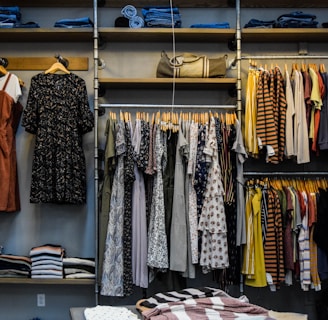
Wall-mounted and freestanding systems can both turn an empty closet into useful storage, but they claim space in different ways. A wall-mounted closet system transfers the load to the wall and leaves more floor visible, while a freestanding unit supports itself with posts or a frame that occupies part of the footprint. That distinction changes how you level the installation, how easily you can move it, and whether the closet configuration fits a rental or permanent home. If you are still deciding between open storage and enclosed furniture, compare this open closet system vs wardrobe cabinet guide before choosing the frame.

Quick Answers Guide
Best for Space Efficiency: Wall-Mounted Systems
These usually preserve more usable floor and make a space saving walk in closet feel less crowded.
Best for Ease of Use: Freestanding Systems
Often easier to assemble, relocate, and reconfigure when drilling is limited.
Best for Installation & Setup: Freestanding Systems
Avoid extensive wall layout, while wall-mounted systems reward careful stud location and leveling with a cleaner footprint.
Best for Durability: Either Option
Both can be durable when installed to its listed load requirements, but wall support and anti-tip instructions must be followed exactly.
Best Overall for Most Homes:
A wall-mounted system is the stronger default for a compact permanent closet because it protects floor access and adapts shelf heights along the wall.
For most homeowners planning small space walk in closet ideas, wall-mounted storage offers the best balance of capacity, clear floor area, and visual order.
What Is a Wall-Mounted Closet System?
A wall-mounted system uses rails, standards, brackets, or cleats fastened to studs or approved anchors. Shelves and hanging rods attach to that support, so the floor can remain open for shoes, a hamper, or cleaning access. Many built in walk in closet ideas use this method because the installation can follow the walls and create a tailored closet configuration. The tradeoff is that accurate measurements, level tracks, suitable wall support, and permanent fastener holes matter.
What Is a Freestanding Closet System?
A freestanding system uses vertical posts, side frames, or a complete rack to carry its load to the floor. It can be a practical choice for renters, unfinished closets, or homeowners who expect to relocate the system later. Some expandable models support straight and corner closet configurations without fastening every shelf to the wall, although anti-tip hardware may still be required by the manufacturer. Its feet and uprights remain part of the small closet designs layout, so aisle width and floor level deserve careful attention.


Key Differences That Matter
Space Efficiency
Wall-mounted components keep uprights and feet out of the walking path, which is valuable when two storage walls face each other. A track-based wire closet kit can also continue above a baseboard without forcing every support to sit flat on the floor. Freestanding systems may still work in a small closet layout ideas plan, but each foot, corner post, and stabilizer needs space that cannot also serve as an open aisle.
Ease of Use
After installation, both systems can be easy to use when rods and shelves match the wardrobe. Wall-mounted standards make shelf-height changes simple on compatible systems, while freestanding racks can often be repositioned as a whole. For organizing walk in closet zones, wall-mounted storage feels more integrated, but a freestanding garment rack is more forgiving when the room or wardrobe changes frequently.
Installation & Setup
A wall-mounted system begins with a level reference line, confirmed stud locations, and fasteners approved for the wall material and listed load. Uneven walls, thick baseboards, and hidden utilities can complicate the job, so installation instructions should control every spacing decision. A freestanding unit avoids a long wall track, but it still needs a level floor, fully tightened connectors, and any supplied anti-tip device; a system that rocks before loading will not improve after clothing is added.
Durability
Durability depends less on whether a system touches the wall and more on the materials, joints, load distribution, and installation quality. Wall-mounted hardware can remain rigid for years when fasteners engage suitable structure, while an overloaded bracket or weak anchor creates a concentrated failure point. Freestanding carbon-steel frames can carry substantial listed loads, but loose expansion screws, uneven feet, or skipped anti-tip hardware can reduce stability.
Price & Value
Basic wall-mounted kits can provide strong value because one track supports adjustable rods and shelves without a cabinet carcass. Costs rise when you add drawers, decorative panels, professional installation, or repairs after moving the system. Freestanding units may cost more for the self-supporting frame, yet renters can take them to another home, making relocation part of the value calculation; compare those tradeoffs with these modular closet systems if you want a broader product view.


General Pros & Cons
Wall-Mounted Closet Systems
Pros:
Open floor space makes vacuuming, shoe storage, and hamper placement easier.
Adjustable standards support modern closet storage that can change with clothing lengths.
A continuous wall track can create a clean, built-in appearance without a full cabinet.
Cons:
Installation requires accurate leveling, compatible fasteners, and reliable wall support.
Relocation leaves holes and may require a new layout in the next room.
Freestanding Closet Systems
Pros:
The system can work where drilling is restricted or wall structure is uncertain.
Expandable frames can adapt to straight walls or corners within the listed range.
Moving or reusing the unit is usually easier than removing a wall-mounted track.
Cons:
Feet and posts reduce the clear footprint in a narrow walk-in closet.
The frame must be leveled, fully tightened, and secured with any required anti-tip parts.
Top Rated Wall-Mounted Option
Rubbermaid Configurations Custom Closet Kit, 4–8 Feet


Credit: Amazon
This wall-mounted kit is useful for homeowners who want adjustable shelving and hanging space across a four- to eight-foot wall without cutting every component to a custom cabinet shape. The current Amazon listing describes expandable shelves, telescoping rods, included mounting hardware, and a modular arrangement that can be changed as storage needs evolve. It stands out for a small walk in closet storage ideas plan because the track-supported design keeps the floor open while the listed hardware and instructions define a repeatable installation.
Capacity: 14 feet of shelving and 12 feet of hanging space | Material: Metal wire with epoxy finish | Dimensions: Fits closets 4–8 feet wide | Special Features: Expandable shelving, telescoping rods, adjustable shelf heights, mounting hardware included
Top Rated Freestanding Pick
VIPEK X3 Expandable Heavy Duty Clothes Rack


Credit: Amazon
This freestanding rack suits renters or homeowners who need a large open system without attaching a full track to the closet wall. The current Amazon listing describes four expandable shelves, four extendable rods, straight or L-shaped assembly, a 62- to 96-inch width range, and included anti-tip devices. It stands out when closet ideas for small spaces must remain movable, but the 15.7-inch depth and floor posts still need to be included in the walking-path measurement.
Capacity: Listed maximum load of 1,210 pounds | Material: Carbon steel | Dimensions: 62–96 W x 15.7 D x 76.4 H inches | Special Features: Straight or L-shaped setup, adjustable rods and shelves, locking adjustments, anti-tip devices
When You Should Choose a Wall-Mounted System
Choose wall-mounted storage when the closet is a long-term room, the walls can accept the specified fasteners, and keeping the floor clear is the highest priority. An adjustable wall-mounted closet organizer works especially well for a narrow aisle, a closet with a sloped baseboard, or modern closet storage that needs different rod heights for shirts, dresses, and folded clothing. It is also the better fit when you want built in walk in closet ideas without committing to full cabinetry. Use a level, verify structural support, and follow the manufacturer's load and spacing directions rather than improvising anchor placement.
When You Should Choose a Freestanding System
Choose freestanding storage when you rent, expect to move, cannot confirm reliable wall support, or want to test a closet configuration before making permanent holes. An expandable freestanding closet rack also makes sense in an unfinished room, a wide alcove, or a corner where straight and L-shaped arrangements are both plausible. Measure the full frame, not just the shelf span, because posts, feet, and connectors affect the usable path. Install every stabilizer and anti-tip part the instructions require, especially when the system will hold long garments or heavy bins.
Final Thoughts
Wall-mounted and freestanding systems can both improve small closet organization ideas, but they solve different constraints. Wall-mounted storage protects the floor and usually creates the cleaner space saving walk in closet, while freestanding storage offers easier relocation and fewer permanent wall changes. For most compact permanent closets, a wall-mounted system is the better overall choice when compatible wall support and careful installation are available. Renters and frequent movers should favor a stable freestanding frame that fits the measured aisle and includes clear anti-tip guidance. Before buying either option, map every rod, shelf, post, door swing, and long garment, then use this closet storage organization hub to connect the system with the rest of your storage plan.
Shop Recommended Closet Organizers
If you're ready to put these ideas into action, the right tools can make a big difference. A few well-chosen organizers can help maximize space and keep everything in its place long-term. Take a look at some of our favorite choices from Amazon’s top options.
Expertise
Joshua Leist writes about home organization with a practical, research-driven focus on solutions that improve how everyday spaces function. His perspective is shaped by firsthand exposure to well-designed homes, where thoughtful storage and layout choices make a measurable difference in daily living.
Alongside this, his past experience living in dorms and shared housing built a strong understanding of small-space challenges, where efficient organization is essential. With a background as a writing advisor, Joshua emphasizes clear structure, evidence-based comparisons, and transparent pros and cons. All recommendations are selected independently to help readers make confident, practical decisions for their homes.
Contact
© 2026. All rights reserved Clever Home Finds.
Weekly Home Finds
Clever Home Finds participates in the Amazon Services LCC Associates program.